Food
Struggling to meet the demands of this fast-moving market? See how our versatile food packaging can help you keep up with the pace and needs of a diverse, always-changing industry.
Struggling to meet the demands of this fast-moving market? See how our versatile food packaging can help you keep up with the pace and needs of a diverse, always-changing industry.
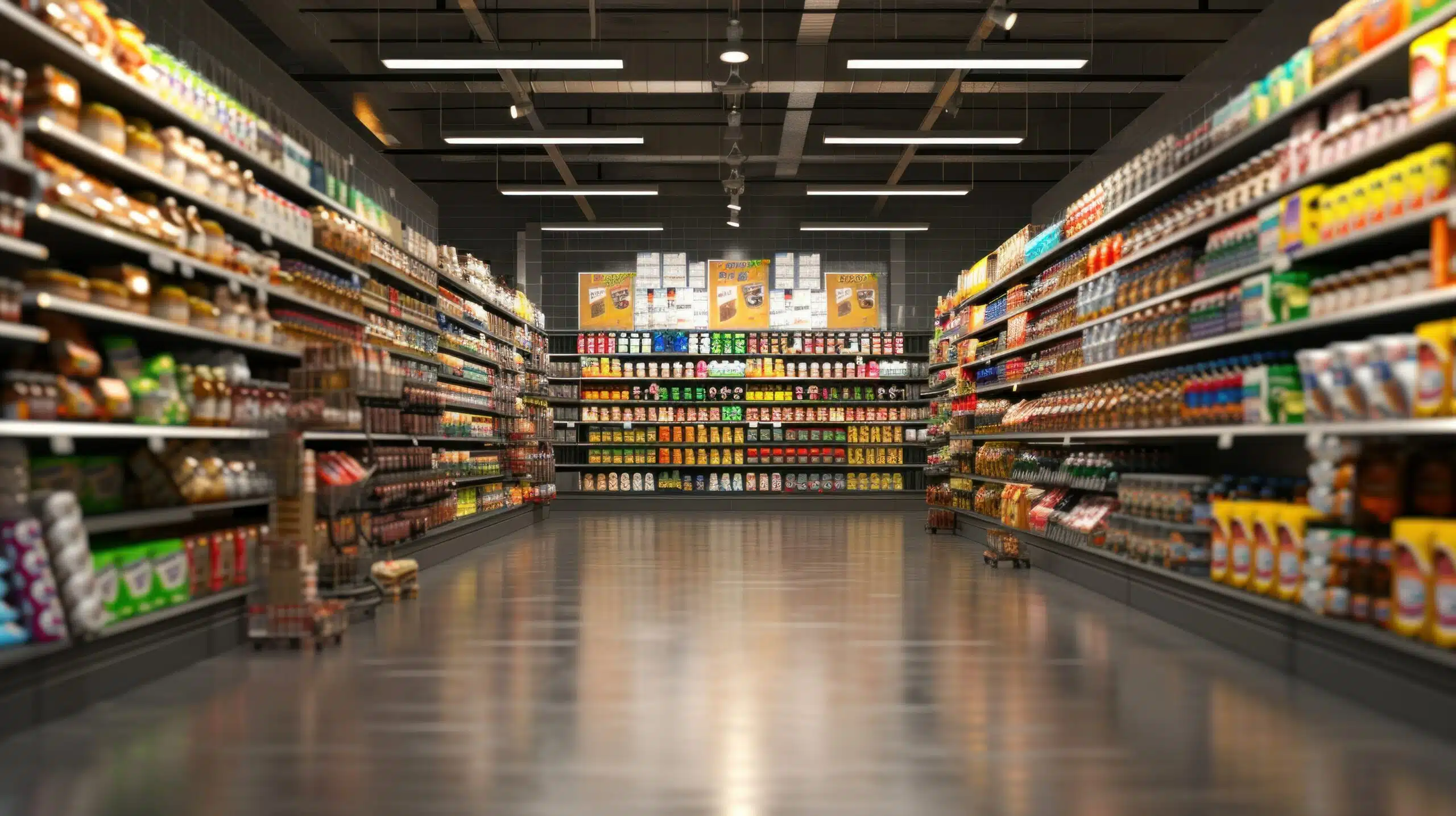
For food packaging suppliers and their clients, there are no shortage of challenges that need catering to.
Tyler’s team of experts can help you navigate these challenges, along with any other food packaging issues you’re facing. Get in touch to discuss your options today.
To maintain incredible freshness and quality across the sector, our food industry clients keep their stock safe and secure in Tyler’s range of incredible products. Explore our recyclable and compostable solutions in more detail below.
As one of the leading food packaging suppliers within the industry, we’ve dealt with every kind of challenge that’s come the sector’s way. And we’re ready for any other trend, concern or demand you could be faced with too.

Working with Tyler doesn’t just providing you with 40 years of experience across the packaging industry. Partnering with us lets you benefit from:

Can’t find the answer you’re looking for?
Fill in the form belowAll of our packaging is certified food safe and we are BRC accredited.
There is a wide range of recyclable materials that can be used in manufacturing pouches that can hold liquids, however, compostable pouches cannot.
Our packaging should be stored, in dry conditions in originally outer packaging and kept out of direct sunlight.
The e-mark on food packaging is a legal guarantee that the average quantity (specifically weight and volume) of the product in a batch is compliant with the relevant legal requirements.
Food packaging can be recycled, although it depends on the materials being recycled, as certain materials cannot be recycled at home and need to be taken to local recycling facilities (including soft plastics and films).
We can! Our products are highly customisable, from the imagery, colours and typography printed on the packaging to functional features such as closure options, windows and the shape of the packaging itself.
To learn more about the importance of packaging design, check out our blog post here.
Food packaging preserves freshness because it creates barriers against the likes of oxygen, light, temperature and moisture.
Products that are prone to oxidation, such as nuts and oils for instance, must be packaged in oxygen-free containers. Elsewhere, certain types of package have to control moisture levels; food packaging for items like fruits and vegetables allow controlled respiration to take place, to stop the contents drying out and expiring. Dry foods, on the other hand, use waxed cardboard to prevent moisture, while light-filtering or opaque packaging is used for the likes of yoghurt and milk, since exposure to light can cause them to degrade quickly.
For more information on how food packaging preserves freshness, head here.
Mockups, sample packs or callbacks, find what you’re looking for by filling in the form below. We’ll be in contact with you as soon as possible.


