Conventional Packaging

Conventional packaging, made from mixed, multilayered plastics, is your traditional packaging option.

Suitable for businesses looking for packaging that extends the shelf life of their products, prevents damage, and offers a strong barrier against things like light, oxygen and moisture, conventional packaging remains an inexpensive choice for a range of industries.
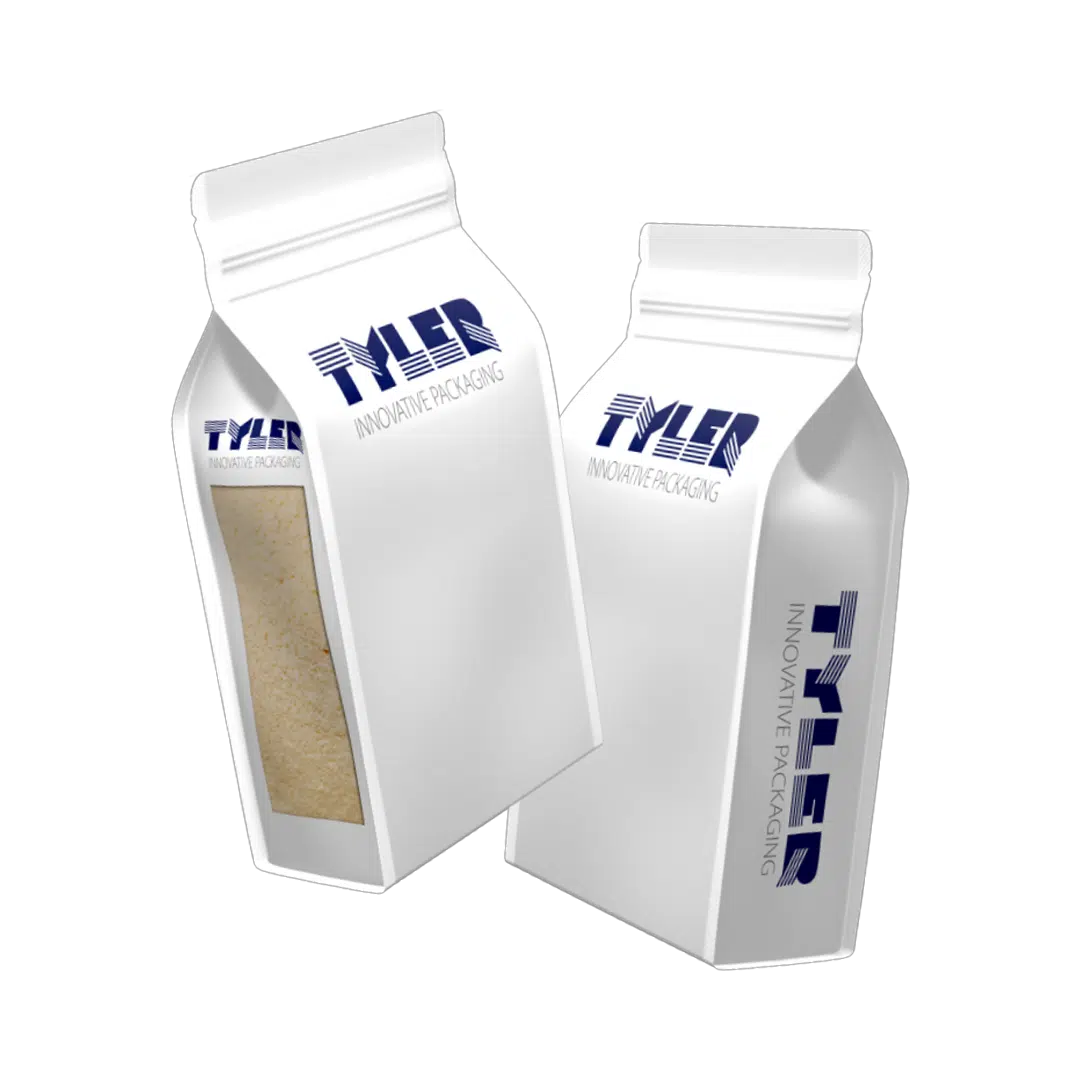
Graphic of two plain white pouches against a white background. The words

Our conventional products

Our range of films, pouches and (SQ4) quad packs serve sectors as diverse as pet food, sports nutrition and building & chemical, using up to 70% less material by weight than equivalent rigid packaging. Discover Tyler’s conventional packaging range below.

Designed for durability

Built for premium protection and freshness from stores to stock rooms, our conventional packaging processes are designed to meet the highest standards of form and function.

  • Strengthened with up to 4 layers of laminate so you can increase the durability based on what you need.
  • Less material, but no compromise. Our packaging ensures tensile strength and impact resistance remain at their highest.
  • Our printing technology delivers brighter colours, smoother gradients and sharper finishes for better branding impact.

Why choose Tyler Packaging?

With over 40 years of packaging experience, we know the kinds of challenges that businesses face every day. And thanks to a dedicated team of experts, we know how to meet them too.

Proactive and passionate, we’ll work with you to learn more about your pain points, from in-person site visits to pre-artwork design meetings, to ensure the best results across your packaging.

And for added peace of mind, we are fully BRCGS accredited, up to date on product, material and legislative developments, and we operate in compliance with relevant environmental legislation.

Explore our recyclable and compostable packaging solutions

Thinking about an alternative to conventional packaging? Our recyclable and compostable products are strong, durable, and continuously developed with sustainability in mind.

  • Our recyclable-ready range is designed using fewer virgin, fossil-based materials than standard flexible plastics, though as with any flexible or mixed-material packaging, disposal route varies, so we recommend checking local recycling guidance.
  • Our compostable range is certified to EN 13432 and TÜV Austria standards, breaking down under the right industrial or home composting conditions. See our compostable packaging page for full certification and timeframe details.

Your conventional packaging questions answered

Still can’t find the answer you’re looking for? Fill in the form below

For the most part, no not through standard kerbside collection. Flexible plastics, such as bags, film and pouches, are not accepted kerbside recycling programmes.

Mixed-material flexible packaging combining plastic, foil and paper in a single structure is, largely, not recyclable at all and should be disposed of in general rubbish.

Whereas with our recyclable-ready range it is possible, typically through dedicated drop-off points, such as those found in large supermarket collection bins, rather than at home currently.

Conventional packaging consists of four primary materials: plastic, paper/cardboard, metal and glass. These are low-cost, durable and can easily protect goods during when in transport and on shelves.

The material we use across our conventional packaging depend on several factors including product protection, shelf life, recyclability and regulation compliance.

Conventional packaging is used across a range of different industries, including Food, Pet Food, Retail, Building & Chemical, and Garden. We work with each of these industries to meet their packaging challenges head on.

Yes, under written agreement, we can hold stock for customers ready to call off. This can be weekly, fortnightly or monthly.

Rigid and flexible packaging differ in a number of different ways.

Rigid packaging keeps its form, allowing it to protect against punctures, crushing and impacts. However it requires more storage space, and its bulk also increases the cost of transport. It often lacks resealability after opening, and manufacturing such packaging also needs more energy and raw materials to carry out.  

CONTACT

Find more packaging possibilities, get in touch with Tyler

Want to learn more about our products, or looking to start working with us? A quick message is all it takes.

Message Tyler