Date posted: 06/01/2026

Introduction
Pet owners care about the food they give to their pets, and many are aware of how their food choice can impact their health, safety and wellbeing. Therefore, those in the pet food industry must acknowledge that their packaging needs to reflect all the reasons why a customer should choose their product.
Your packaging should strive to avoid confusion, lock in freshness and highlight the core benefits of choosing your brand over a competitor’s. So, to help you meet customer and industry needs, we’ve put together this handy guide to pet food packaging.
Date posted: 06/01/2026
The role of packaging in the pet industry
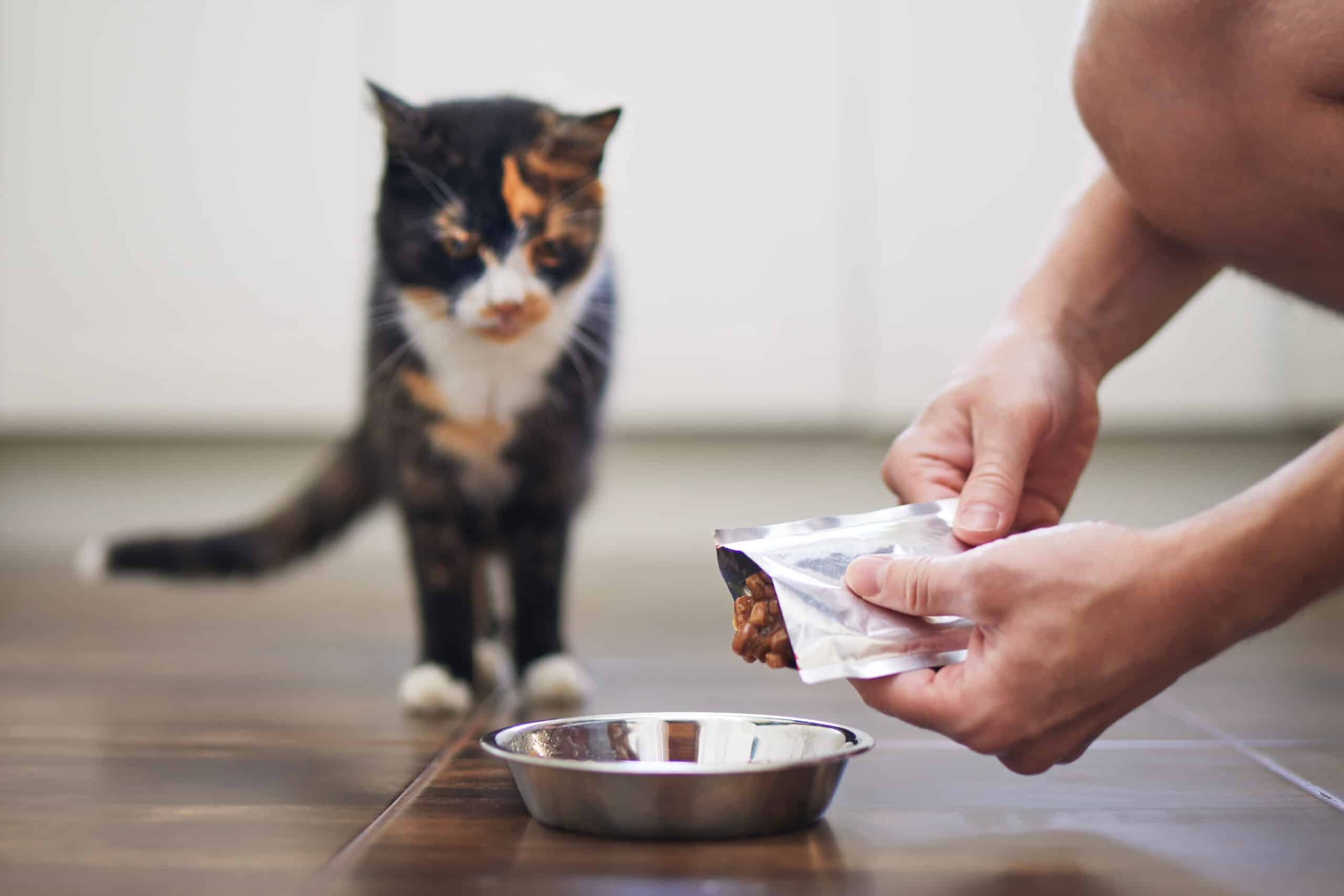
Packaging is an essential and strategic asset to the pet industry. It doesn’t just act as a container for pet food – it also preserves freshness and nutrition, while being at the forefront of your brand’s identity.
Packaging plays a key role in regulatory compliance, too. The information, logos and labelling included show your dedication to meeting regulations and standards, and how these are displayed can affect key metrics like brand loyalty and credibility.
Date posted: 06/01/2026
Pet food industry standards and regulatory requirements
Businesses in the pet food industry must meet certain industry standards and regulatory requirements. Below, we’ll delve deeper into these standards and the actions businesses should take to meet them.
Labelling requirements
In the UK, there are essential labelling requirements for the pet food industry designed to improve transparency and quality. The following information must be accurately listed and declared on the packaging:
- Ingredients
- Nutritional values and percentages
- Additives and vitamins
- Best-before dates
- Batch numbers
- Feeding instructions and guidance based on life stages and nutritional adequacy
It’s also recommended to specify whether the food is complementary or complete and clarify whether the product is wet or dry pet food. Plus, any claims, such as the common ‘Complete and Balanced’ claim, must be truthful and evidence-based.
Offer specialist types of pet food, like prescription, organic or raw options? These also have specific requirements that businesses in the industry must comply with. Ingredient sourcing, processing methods and nutritional content should be specified, although not all this information needs to be labelled on your product packaging.
ISO regulations for pet food packaging
ISO 22000 is the international standard for food safety systems that must be met. This helps ensure product quality and safety are up to standard, ultimately demonstrating to customers that your brand is committed to pet food safety.
Compliance with this standard means offering traceability for food products, including sourcing raw ingredients, the production methods and packaging for the finished product.
Packaging safety
Since pet food packaging contains food, the materials used must be food-grade and feature contamination prevention to ensure maximum product safety.
Date posted: 06/01/2026
Pet food packaging design must-haves
What should your packaging design include to ensure you meet key regulations and engage your ideal customers? Here are a few of the main considerations:
Strong branding
Strong branding that meets customer needs on a psychological level is a must. Think about your typical customer profile and what they would want to see when designing your branding and the overall look of the product packaging. This will influence the placement of labelling, colour choices and fonts.
Clear messaging
The branding should clearly shout out why this food is best for pets, while also highlighting the key benefits of your brand, such as nutritional information that sets your brand apart from others.
Information transparency
Any key information about your pet food should be clearly visible, from ingredients and feeding guidance to certifications. This should be printed in an accessible font and colour to ensure all end users have visibility.
Functionality
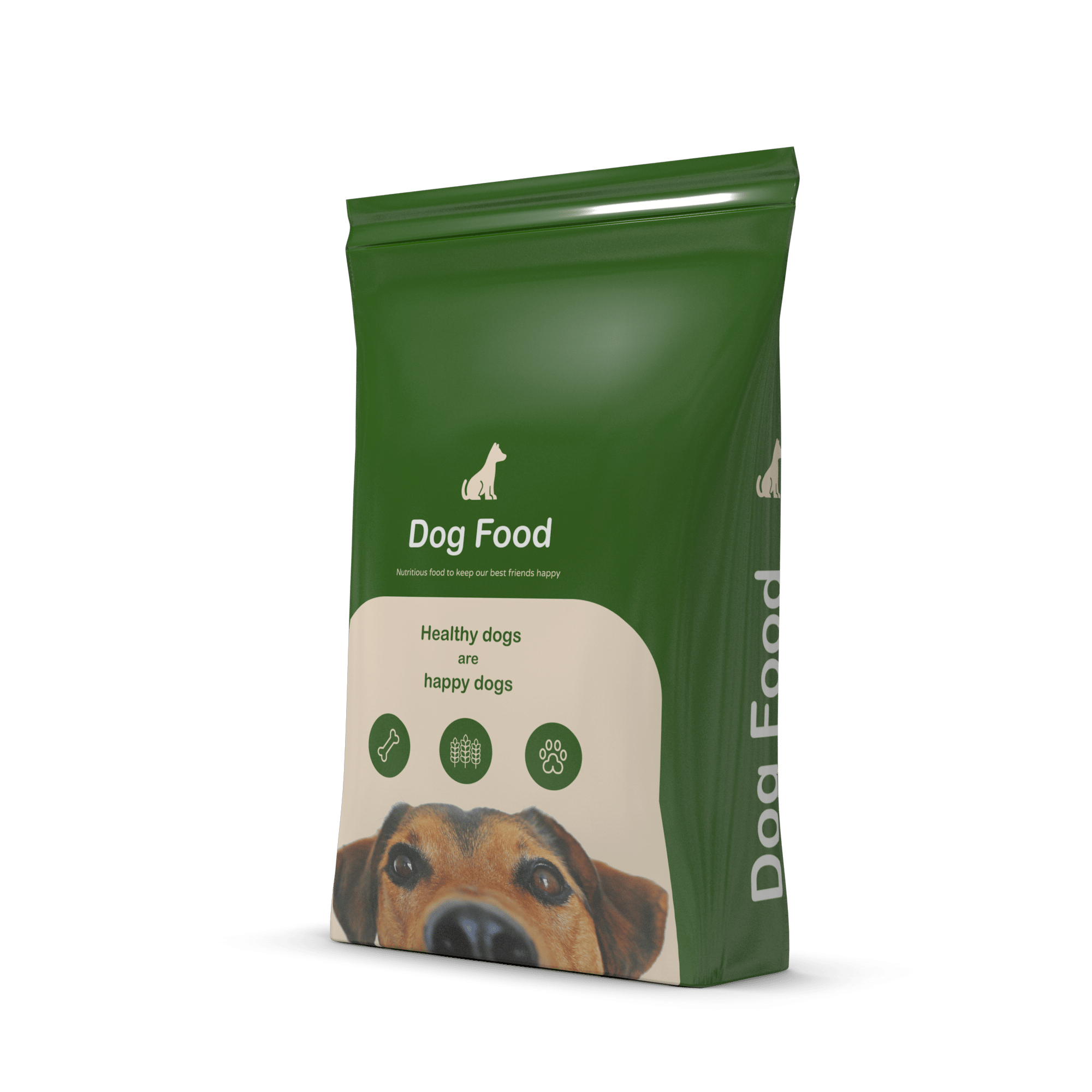
Think about how customers will want to dispense and store their pet food. They might want to use resealable zippers for easy storage in the original packaging or easy-tear notches for pouring food out into pet bowls or larger storage containers. Either of these closure options is ideal for this type of product, since they improve usability while maintaining freshness and nutrition.
Date posted: 06/01/2026
Wet vs dry pet food packaging
Different packaging solutions are suitable depending on whether you’re packaging wet or dry food.
Dry food with little or low barrier requirements can be packaged using simple paper materials. However, this type of packaging isn’t suitable if the food needs to be sealed in an airtight container to remain fresh. With most pet food being extremely sensitive to oxygen and moisture, the materials must offer high barrier protection.
This doesn’t mean that pet food packaging can’t be sustainable, though, since there are plenty of multi- and mono-material compostable and recyclable packaging options available.
Packaging made from recyclable-ready plastics or high-barrier foils is usually the best option for this industry, since it can offer the flexibility, durability and high-barrier control that’s needed and expected from customers.
Date posted: 06/01/2026
Types of pet food packaging
So, which packaging types are most suitable for the pet food industry? We’ve broken down the top choices into their packaging types:
Recyclable packaging
- Recyclable Film: Offering durability, versatility and an easy-to-use solution with multiple closure types available, this option is best for packaging dry pet food.
- Recyclable Flat Based Pouch: This recyclable-ready option features five panels offering excellent durability for dry pet food.
- Recyclable Metallised pouch: Our foil-finished packaging option is ideal for containing wet or dry pet food thanks to its high barrier protection.
- Recyclable Polywoven Sack: This 100% recyclable-ready mono-material packaging features block bottom stability, making it perfect for containing and storing large quantities of dry pet food.
- Recyclable SQ4: Offering an alternative to solid packaging with 95% less material, this option can contain dry pet food up to 25kg with ease.
- Recyclable Stand Up Pouch: Featuring a bottom gusset to help the packaging stand up, this is an excellent choice for smaller quantities of dry pet food.
- Recyclable Open Mouth PE: With added stability and plenty of customisation options, this recyclable ready packaging is highly versatile for the pet food industry.
- Recyclable Valve Sack: This option is ideal for containing large volumes of dry pet food, from 5kg up to 25kg. – remove
Compostable packaging
- Compostable Film: This flexible, compostable-ready packaging option can store low-barrier pet food.
- Compostable Flat Based Pouch: Offering an alternative to plastic packaging, this pouch can have different laminate structures to improve durability and performance, meaning it’s ideal for the pet food industry.
- Compostable Stand Up Pouch: Plastic-free and featuring a space-saving design, our compostable pouch packaging can hold dry pet food from 50g up to 2.5kg.
Date posted: 06/01/2026
How Tyler Packaging can support businesses in the pet food industry
We have years of experience helping businesses in the pet food industry choose the most suitable packaging for their products. We’re also:
- Accredited members of the Pet Sustainability Coalition
- Members of UK Pet Food
- Members of APPA
- ISO-certified
Whether you’re looking to improve sustainability or simply ensure your packaging is fit for purpose for your customers, we’re here to support your packaging needs and requirements.
If you’d like to know more about our pet food packaging options and how we can help, contact us today, call on 01926 651451 or email us at info@tylerpackaging.co.uk.