Date posted: 06/01/2026

Date posted: 06/01/2026
Introduction
Worried that your packaging design isn’t doing your products justice? This might be doing more than just damaging your shelf appeal – it could also be capping your profits and halting business growth.
Making sure your packaging stands out from the competition can start with tapping into product packaging psychology. In this blog, we’re explaining why packaging design can play an important role in influencing buying decisions and sharing the key design elements you should be focusing on to grab the attention of your customers.
Date posted: 06/01/2026
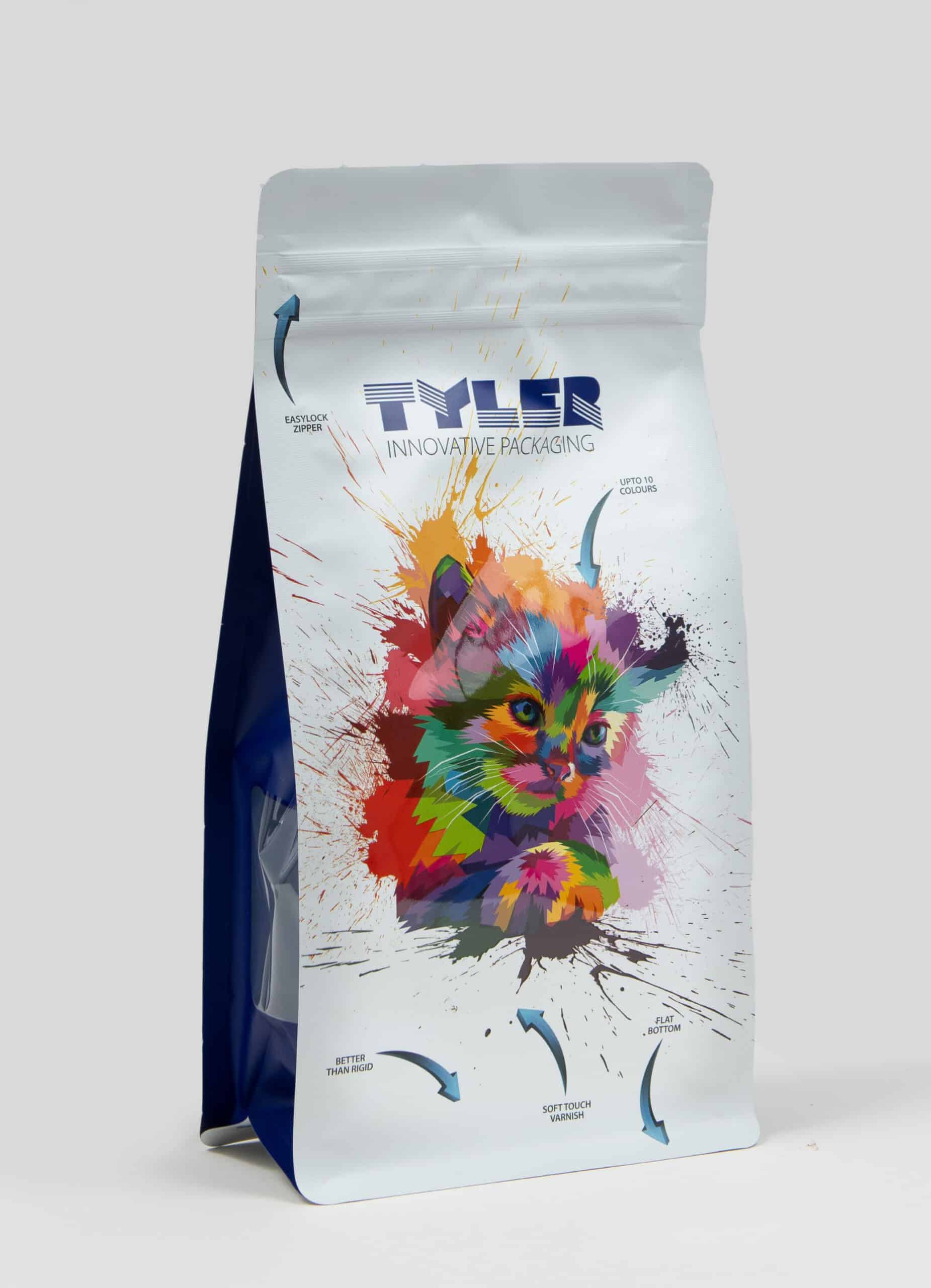
Packaging psychology overview
Packaging psychology is the study of how design element choices in your packaging can influence buying decisions, opinions and behaviours. This includes non-functional design choices, like fonts, shapes and sizes, alongside functionality elements of the packaging.
Your buyer profile should be based on culture, opinion, context, and any other personal differences that might influence their purchasing decisions.
Date posted: 06/01/2026
Why packaging design matters in influencing purchasing decisions
First impressions matter in most scenarios, and product packaging design is no exception. With this being the first thing a customer sees, they’ll often make a judgment about the product’s quality, value and suitability for their needs within a matter of seconds. Your packaging design determines whether your product will be completely overlooked or capture a customer’s attention, so it’s important that you’re making the right choices to grab the attention of the right customers.
Your packaging must be designed to make the best first impression, as this can sway a customer’s decision in your favour, rather than towards a competitor’s product.
Date posted: 06/01/2026
How to effectively design product packaging – 6 important psychological elements
Several design elements should be carefully considered if you want to create product packaging that ticks all the boxes for your customers. We’ve gathered the most important points to think about below.
Colour
Colours can be a powerful trigger capable of influencing specific emotions or feelings towards products. Some common colour associations include:
- Red: Associated with love and excitement
- Black: Linked to sophistication and luxury
- Green: Linked to nature, health and sustainability
Using brand or industry-specific colouring within your product packaging design can offer continuity and create easy associations for customers. But you could also branch out from the colours commonly seen in your product category or industry to make your product even more distinctive.
It’s important to note that colours might be perceived differently by different demographics, and your marketing team should be aware of this. For example, some cultures might associate black with luxury, while others might associate it with sadness. Meanwhile, some colours can be viewed differently depending on context. Knowing who your target audience is and the context your products will be sold in will help you choose colours that match your intentions. Careful consideration of your chosen colours will ensure your packaging effectively communicates your product’s value and relates to the needs of your target audience.
Typography
Text and fonts can be powerful for influencing consumer decisions. Making the right choice on style, size and arrangement of text on your packaging is therefore crucial.
Typography must be clear and easy-to-read – when the font is too busy or not the right size, for example, it can significantly reduce its readability and impact. Ultimately, this means your products aren’t accessible to the broadest possible audience, which could also be looked down on by other customers.
Some cultures might perceive typography differently, too. For instance, calligraphy is highly valued in Asian cultures. This difference in perception should be factored in when you look at who your target audience is and how they might feel about the design choices you’ve implemented in your product packaging.
Imagery
Imagery included in your product packaging design can help set your product apart from competitors, which is why choosing high-quality photos and illustrations is highly recommended. Why? It’s simple – the quality of the exterior appearance will reflect the quality of the product itself.
The images used should be compelling and convey the benefits you want your product to provide.
Material and textures
The materials used to create your packaging can influence buyer opinions.
If your customers care about sustainability, compostable, recyclable or conventional packaging materials might be the best choice. Not only does it show that your business is responsible, but it also evokes trust with customers.
Different textures can also influence buyer behaviours. For instance, packaging with a smooth, glossy texture evokes sophistication and makes a product appear premium. Meanwhile, embossed features make products appear unique and special, offering the sense that it’s exclusive.
At Tyler Packaging, our Recyclable Metallised Pouch combines a smooth texture with recyclable materials. This gives the packaging a contemporary feeling while also demonstrating a commitment to sustainability.
Functional design and features
Practicality features should play an important role in your overall design. From the packaging types to the closure options, customers will expect certain features depending on the industry and product category.
A great example is baby food pouches, which are easiest to dispense with a spout. That’s why we recommend using our Recyclable Spout Pouch option for these products.
Matching the expectations of customers with the functional design and features is important for showing that you understand how a product meets customer needs.
Packaging shape
Consumers might expect certain types of products and products in certain industries to look a certain way. For example, customers generally expect their hair care products to be in cylindrical bottles.
Different shapes can also influence various emotions and associations. Round packaging might evoke warmth and friendliness, making your brand seem approachable. Angular packaging has more modern connotations, giving your product a sleek and professional look.
There are two ways to look at this. By ensuring your packaging has the same shape as others in its product category, you can guarantee that customers will instantly know what your product is and what it does. Changing the shape can mean that customers like they’re getting a slightly different, more elevated product. However, you could risk it being less obvious that a product belongs to a specific category or industry.
Date posted: 06/01/2026
Tyler Packaging solutions for businesses
Over the years, Tyler Packaging has worked with businesses of all sizes across different sectors to perfect their packaging choices and designs. So, we know a thing or two about which design elements will work best for specific products and customer types.
Whether you need help with printing choices, closure types or choosing sustainable packaging that works for you, we’re here to support with our range of packaging solutions.
Our experts are ready to help with designing ideal packaging for your business, as well as choosing the best option for your product. Get in touch with us today to chat through your ideas!