Date posted: 13/11/2025

If your business sells food products, whether that’s in supermarkets, retailers or via an e-commerce site, one of your biggest concerns should be preserving the freshness and nutritional value of those products. It’s a no-brainer – consumers should be able to trust that when they open your brand’s food products, they won’t find food that’s spoiled or contaminated.
Packaging plays a vital role in protecting food products, but it also needs to stand out against the competition. That’s why it’s crucial to understand how to strike the perfect balance between packaging that keeps food fresh and maintaining your brand’s credibility and shelf appeal. With our guide, we’re teaching you how packaging preserves food freshness and how to choose a packaging method designed to optimise freshness for different products.
Date posted: 13/11/2025
Importance of maintaining food freshness and nutritional value
Maintaining food freshness and nutritional value is important for several reasons. Not only does it help prevent contamination, but it also ensures you’re maintaining food safety standards and complying with all necessary food regulations. Being able to maintain food freshness and nutritional value can even boost customer satisfaction, since they know they can trust the quality of their purchase.
Date posted: 13/11/2025
How does packaging preserve freshness?
The right packaging choice will create barriers against anything that could compromise the freshness and quality of food, including factors such as oxygen, light, temperature and moisture. Ideally, packaging should keep these elements within an optimal range for the type of food item it contains.
Any products susceptible to oxidation, like nuts and oils, must be packaged in an oxygen-free container. Otherwise, these products can spoil at an accelerated rate. Metal cans and some plastic packaging can help avoid oxidation by not allowing oxygen to penetrate the container.
Some foods require packaging that controls moisture levels. For example, controlled respiration in fruits and vegetables prevents them from drying out and extends their shelf life, which is why the packaging should allow this to occur. Meanwhile, dry foods like cereals must be kept away from moisture to preserve their freshness. For these products, waxed cardboard is often the top choice since it repels moisture.
Exposure to light can also affect foods like yoghurt and milk, sometimes triggering unwanted chemical reactions, causing colour changes and degrading ingredients quickly. The ideal packaging for these types of products is opaque or light-filtering packaging, which has light-filtering properties.
Packaging methods that conserve freshness in food packaging
There are a few packaging methods that can help keep freshness locked in – discover the most popular ones and how they work below:
Modified Atmosphere Packaging (MAP)
This method adjusts the gases inside the packaging to help extend the life of fresh produce. It’s mostly used to reduce the oxygen levels and increase nitrogen or carbon dioxide levels, keeping microbial growth to a minimum and slowing the oxidation process. This makes it particularly suitable for fresh produce, dairy and meat products.
Vacuum packaging
Vacuum packing simply removes the air from inside the packaging, which ensures food products like meat and cheese can stay fresher for longer since oxidation is slowed.
Smart packaging
Smart packaging is a newer type of packaging which uses sensors to monitor the key factors that can impact food freshness. They then feed back real-time data on spoilage risk and food quality, helping improve consumer safety in the long run and optimise supply chain management.
Barrier films
Barrier films with antimicrobial properties might contain substances like silver ions or organic acids to slow microbial growth. This improves the safety of food items like fresh seafood and meat since harmful bacteria and fungi are less likely to appear before the use-by date.
Choosing the correct packaging type for food
Understanding and selecting the right packaging type based on the food item is crucial. If you get this wrong, you could seriously compromise food safety, so it’s important to know what type of packaging works for different food categories.
For instance, liquids can’t be packaged in compostable packaging, but this type of packaging is suitable for products intended to be refrigerated or frozen. If you’re offering dried food like cereal or nuts, resealable pouches can help keep these fresh by preventing oxygen and moisture build-up.
Date posted: 13/11/2025
How Tyler Packaging can help your business preserve nutritional value
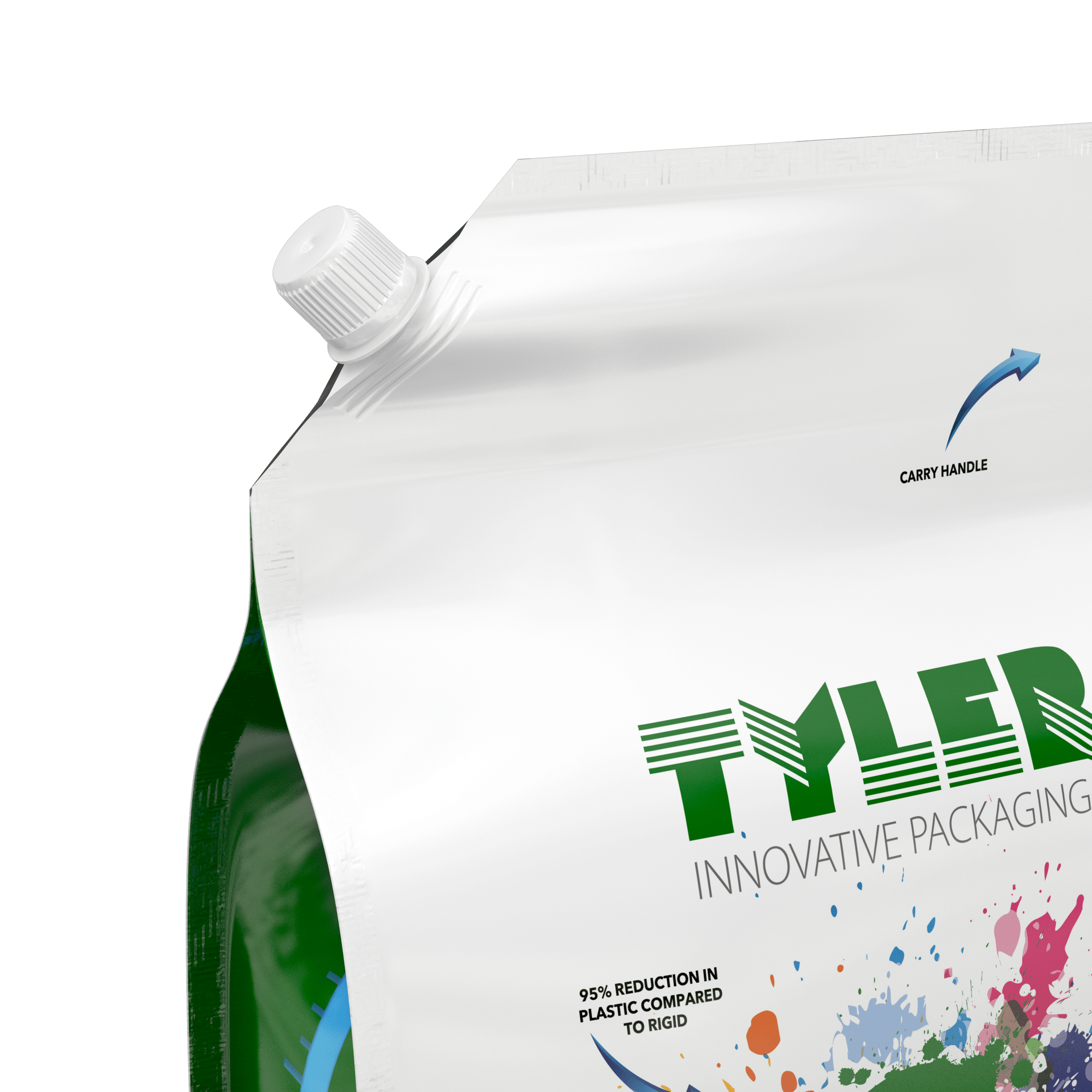
With many years of experience and expertise here at Tyler Packaging across various sectors, we can support businesses with the right packaging within the food and nutrition sector. Our packaging includes recyclable-ready and sustainable options with BRC accreditation. From our Recyclable Spout Pouch for baby food or our Compostable Stand-up Pouch for dried nuts, our packaging options can preserve freshness and nutritional value for many food categories.
Whether your products are available at supermarkets, retailers or ecommerce sites, we can offer suitable packaging options for you and your customers.
Want to discover how we can support your food packaging needs? Let’s chat!